

Royal Bank of Canada
Blockchain-based foreign exchange
Role
Software engineer
+ designer
Timeline
May - Aug 2026
Team
1 business analyst
1 data engineer
1 software engineer
Skills
User research
Product strategy
Systems design
Software engineering
Overview
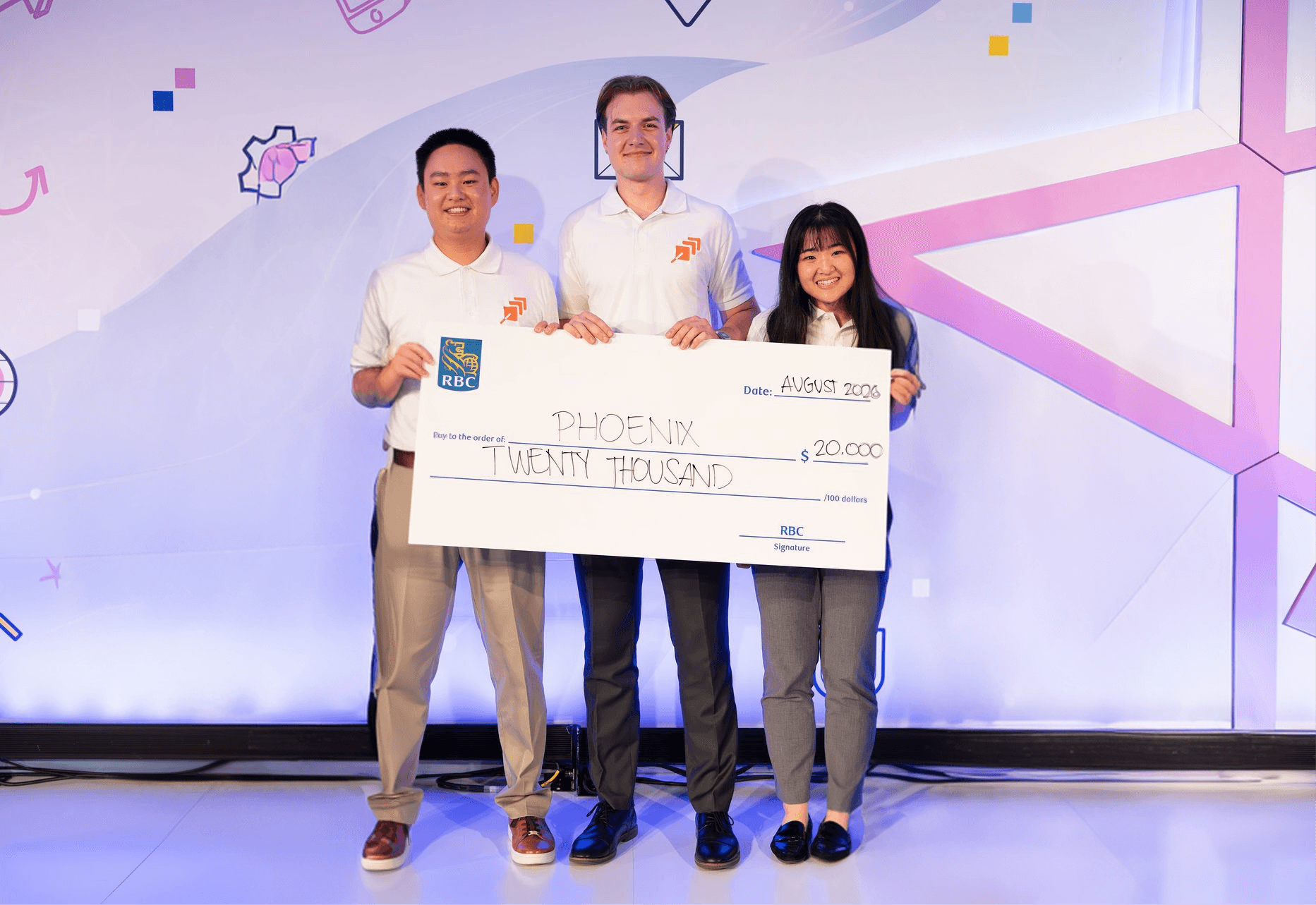
My team designed, built, and deployed a blockchain-based foreign exchange platform in 4 months, winning a $20,000 grant!
Summer 2026, I interned at RBC as part of their Amplify program — a specialized internship where you're paired into small teams to design and build a solution for a real business challenge. We got to do it all: from understanding the problem space, interviewing stakeholders across the bank, to ideating on solutions, designing, developing, deploying, and presenting our work to senior leaders.
My team built a blockchain-based foreign exchange tool that explores how RBC could offer foreign exchange between tokenized deposits in the (near) future. As a developer, I was hands-on with coding smart contracts on Ethereum (something I never would have pictured myself doing!), and I learned so, so much about foreign exchange and the world of digital assets, stablecoins, and blockchain.
Outcomes
$302M
projected 5 year revenue
2 days→10 sec
decrease in trade settlement time
Patent-pending
We worked with lawyers to patent our solution
Problem
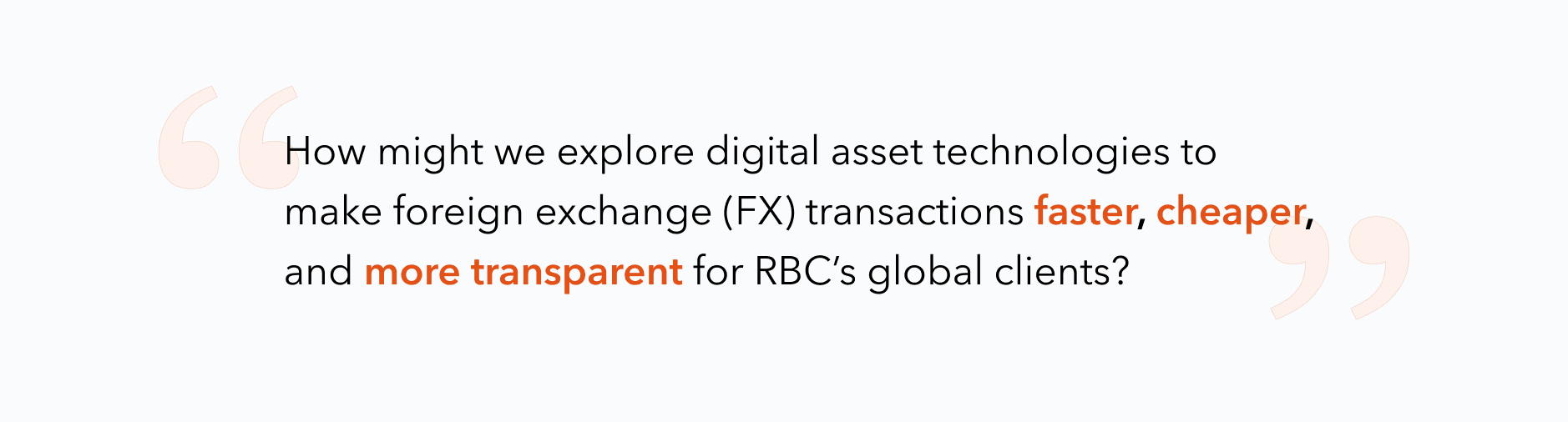
At the start of May, we were presented with a problem statement by RBC's digital asset innovation team:
Journey
We started by interviewing traders and clients while studying the current state of foreign exchange and blockchain technology.
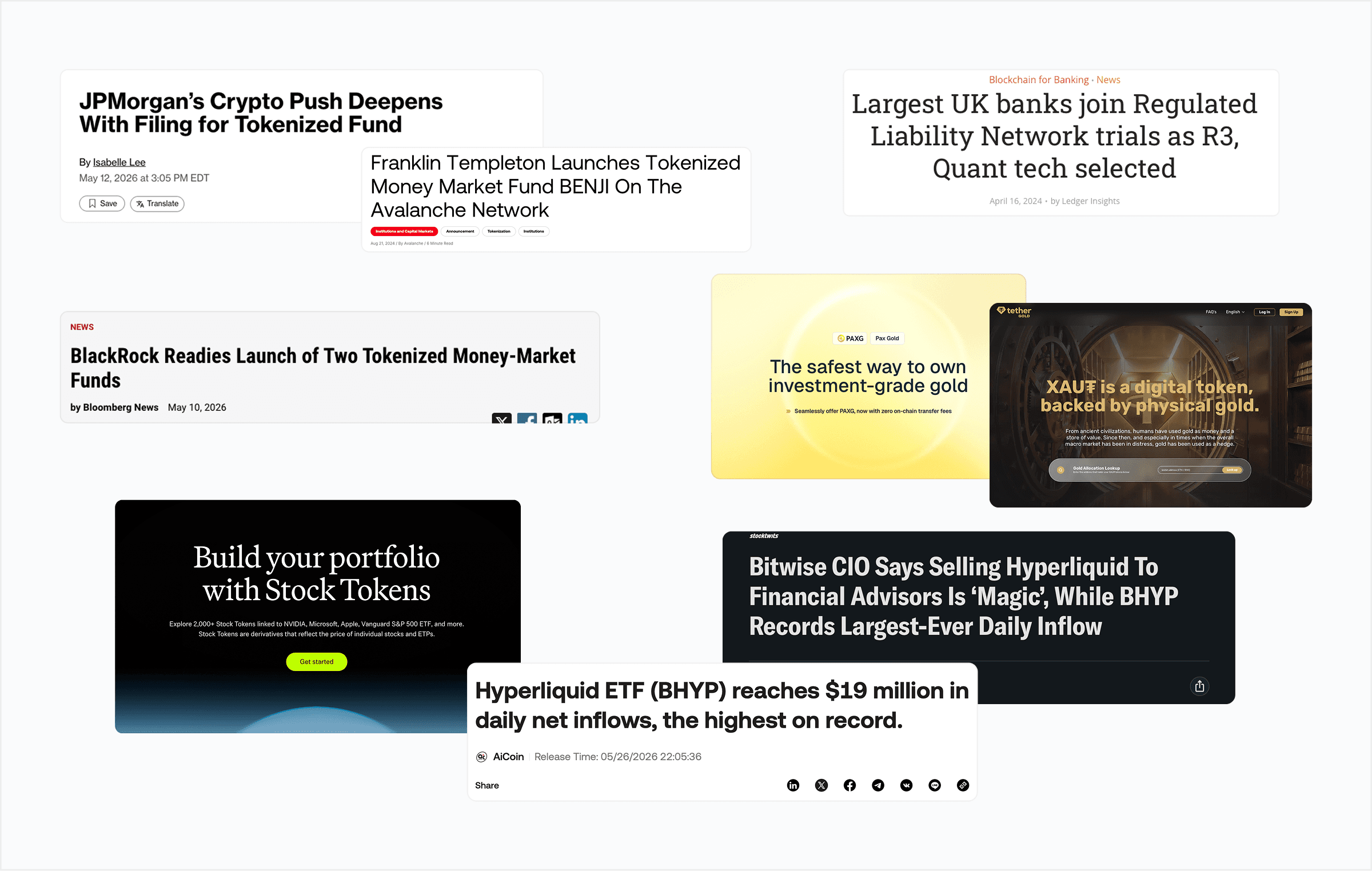
Recent news related to blockchain, stablecoin, and decentralized finance.
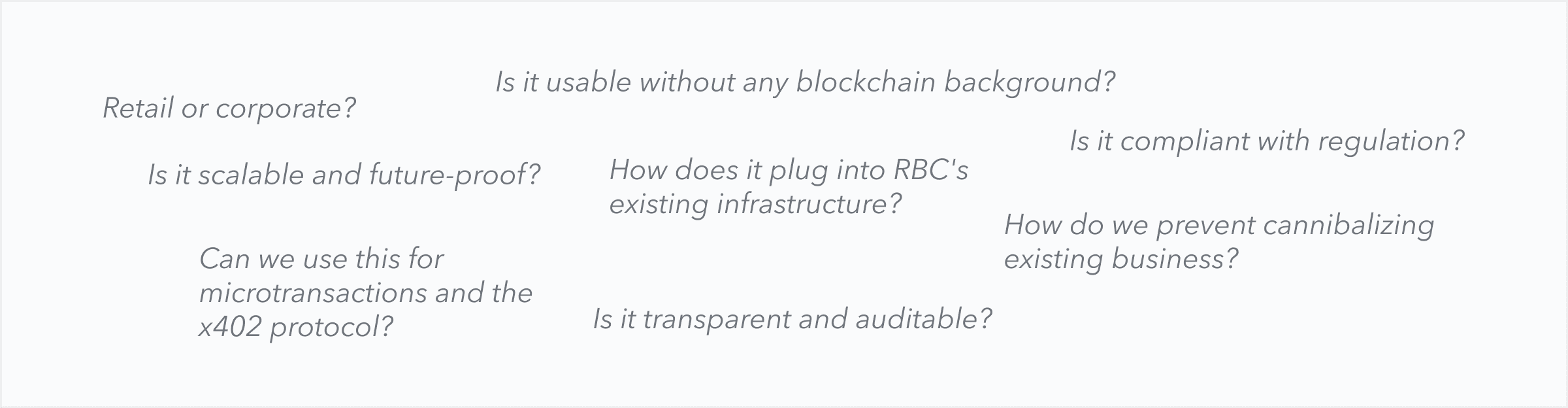
Our solutioning led us to explore several different routes and decisions.
Every avenue we explored raised its own open question, and the list kept growing the deeper we dug:
Disclaimer·This project is under NDA, so I can't share our designs and details of our solution.
Results
We designed, built, and deployed our now-patent-pending solution, pitching our product to RBC's C-suite executives and winning first place out of all Amplify teams!
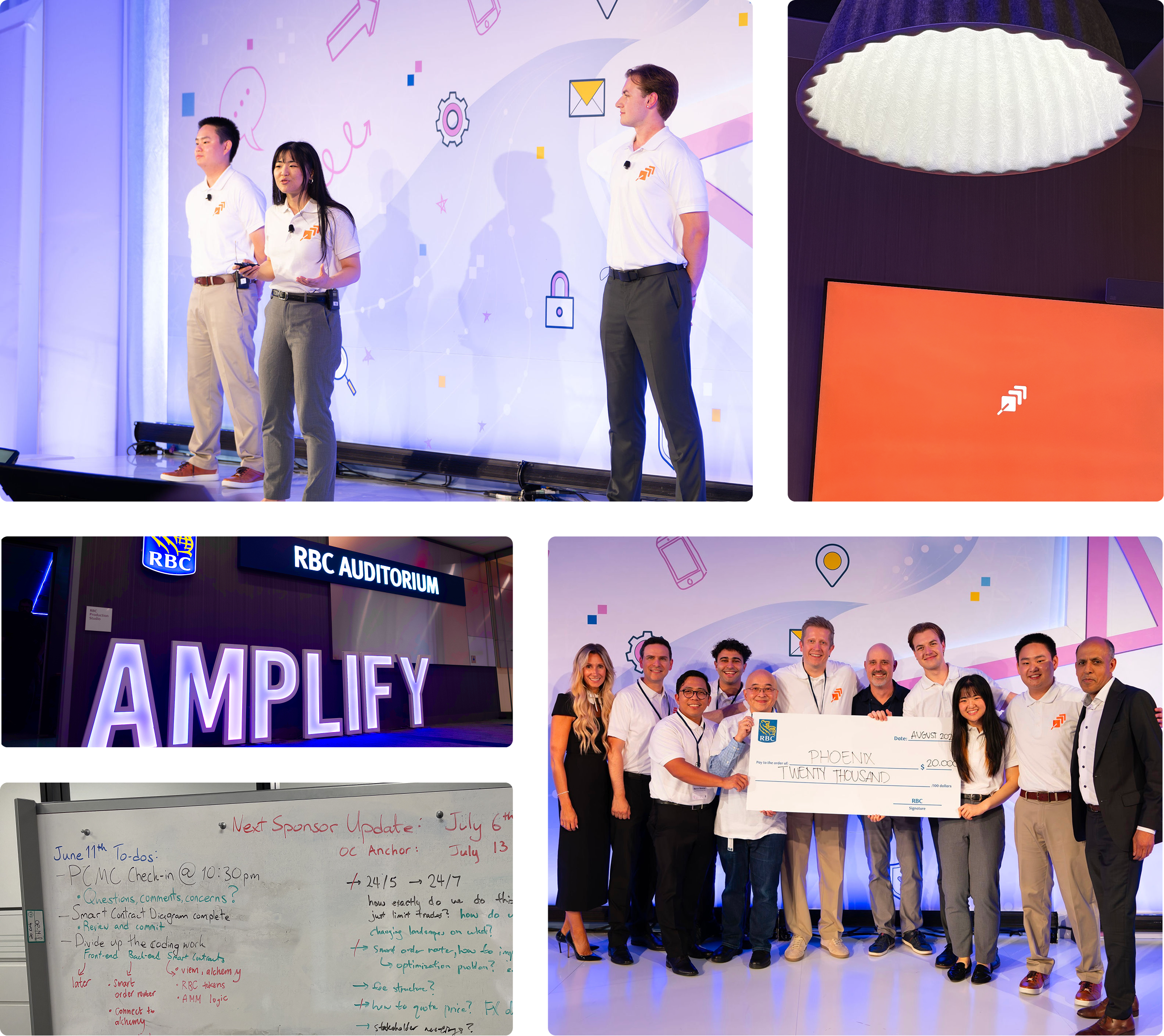
it's done! what did i learn?
Clarity > Consensus
Across a bank as large as RBC, we got wildly different feedback depending on who we talked to, and a few stakeholders pushed back on our idea outright. I learned that in a real-world project, your idea will always meet resistance and conflicting direction from every side. Rather than satisfying everyone, I learned to sift for the insights that move the solution forward.
Compliance is a design input.
Before, I believed that compliance was a final check after the design process. I learned that it had to be an input from day one. In fact, compliance shaped our entire solution! We designed for the compliance officer as a real user in the flow, creating a dedicated view where every transaction is auditable straight from the chain.
Same system, different audiences
We initially wanted to show the blockchain mechanics in our client portal— the revenue split, the chain it settled through. But customers don't need to see how trust is verified, they just need to trust it. What we exposed to compliance as proof, we abstracted away for the customer into a transaction that looks like anything they've used today.
More Case Studies
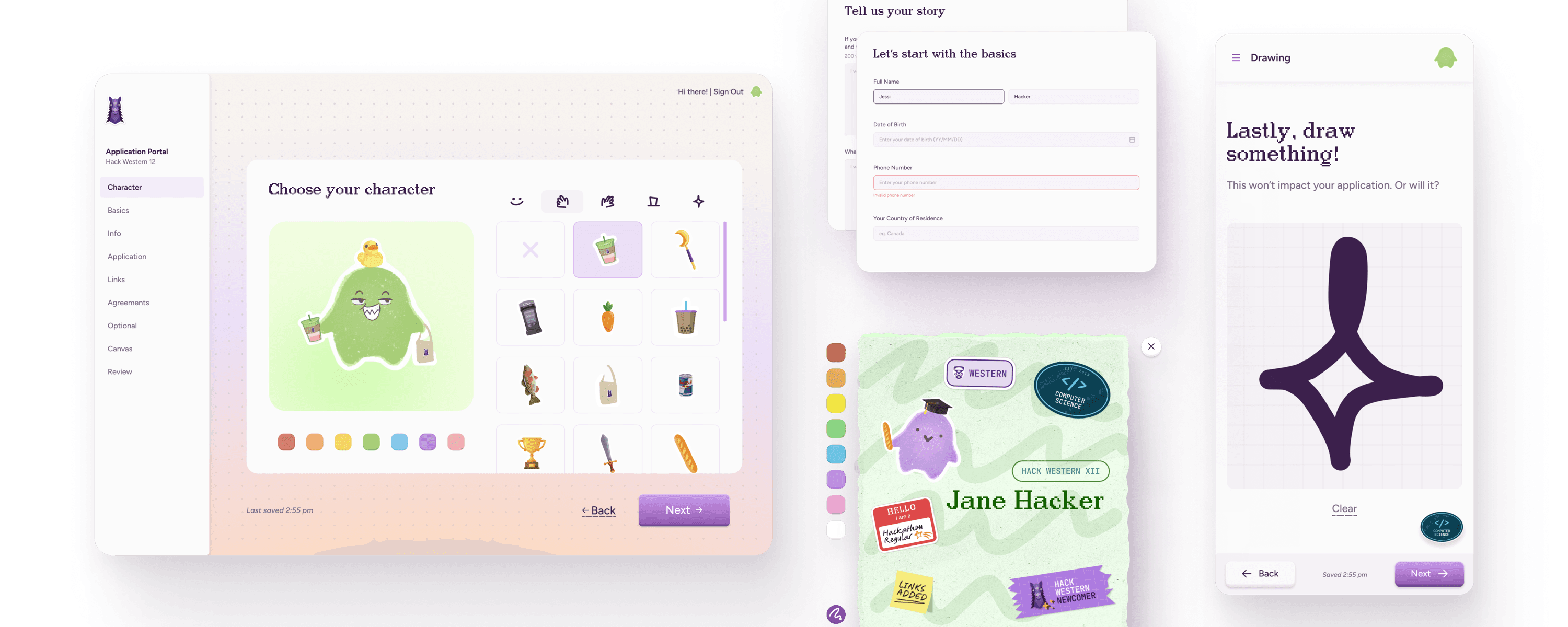
Designing an inviting application experience for 2,000 hackers
Hack WesternShipped 2025
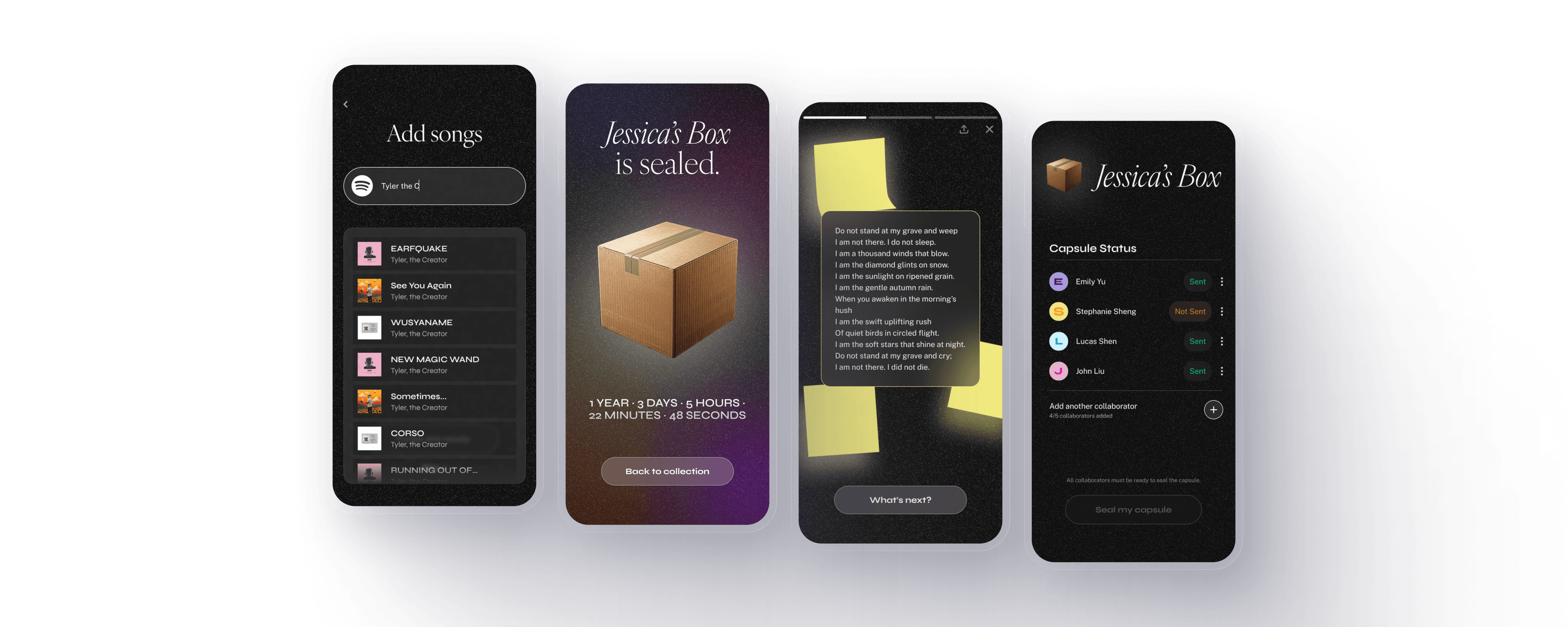
A digital time capsule to capture memories with friends
RetrospectPersonal project 2025
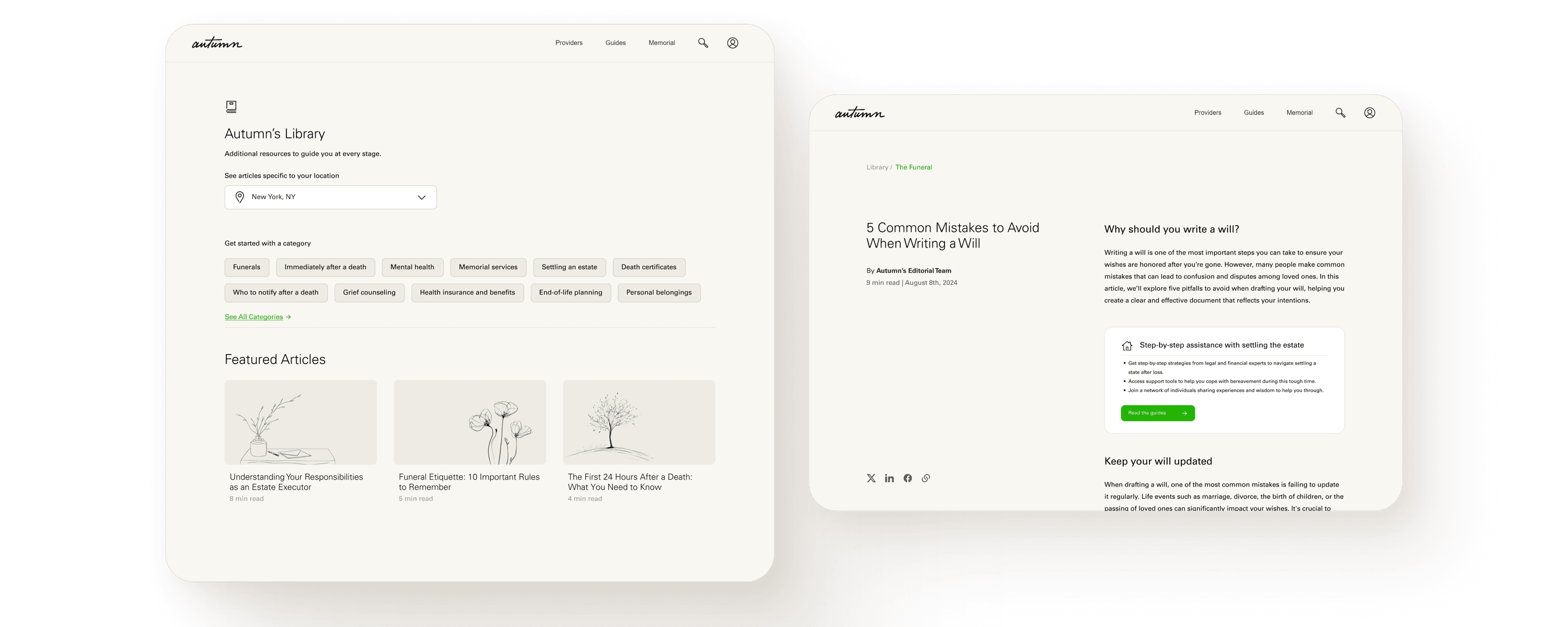
Boosting discovery for a grief support platform
AutumnShipped 2024
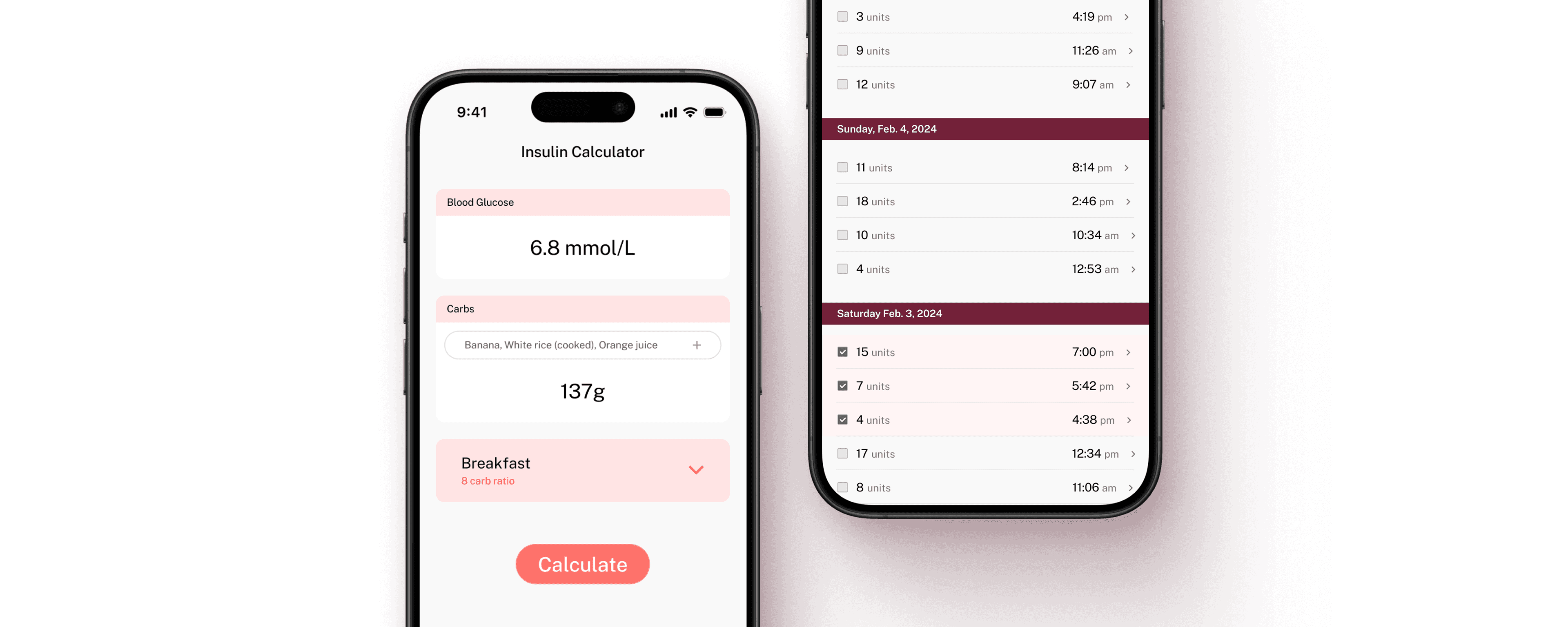
Easing the daily burdens of diabetes management
gluCalPersonal project 2024